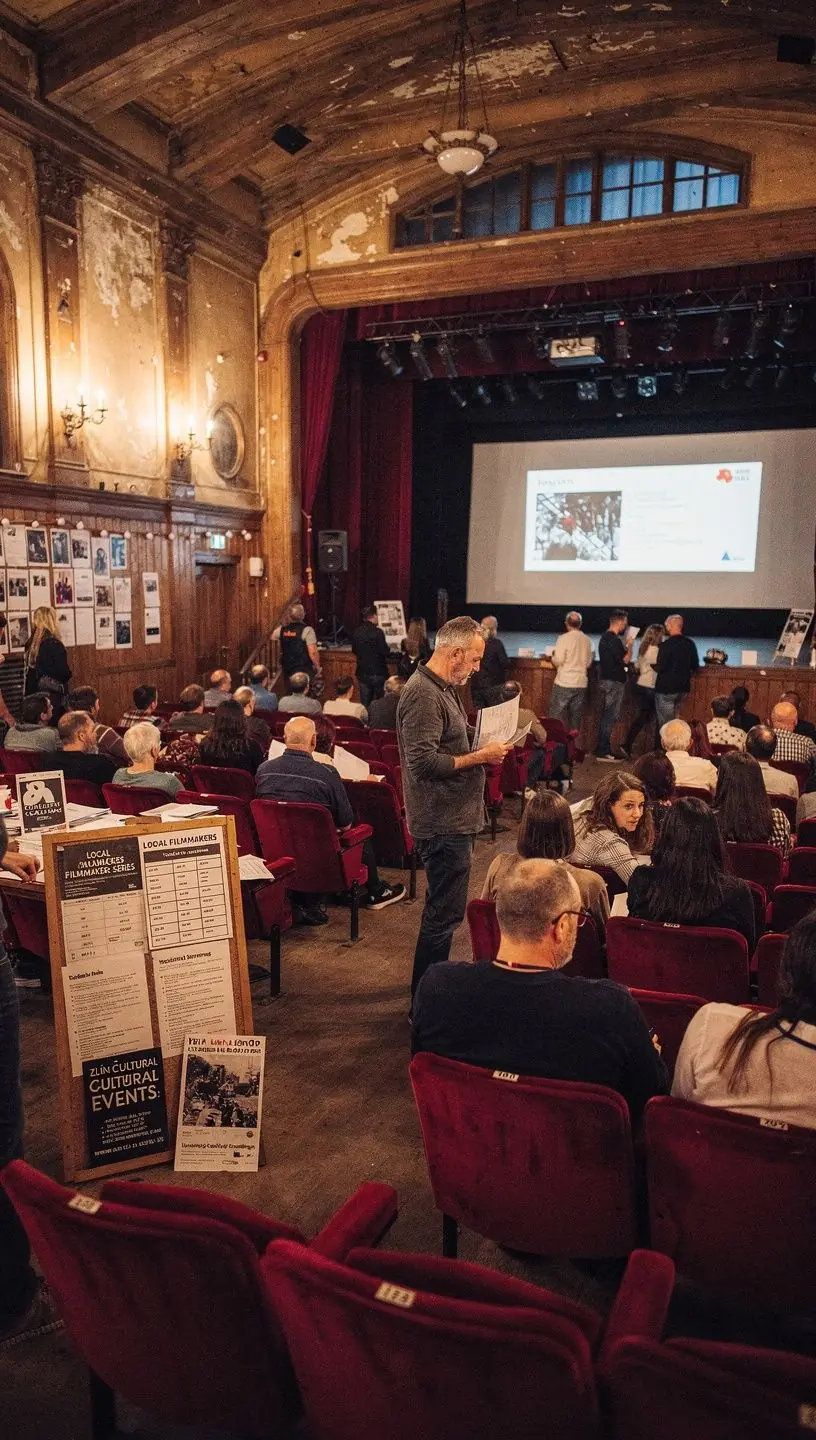
How to Effectively Use Printed Event Schedules
Printed event schedules can play a vital role in enhancing your experience at cultural gatherings, music evenings, and social game clubs. By understanding how to utilize these resources effectively, you can maximize your event participation and enjoyment.
Understanding the Importance of Printed Schedules
Printed event schedules serve as critical tools for attendees looking to navigate busy event landscapes. According to research by the Event Marketing Institute, many users report that physical schedules help reduce anxiety and improve decision-making during events. This is particularly relevant in bustling environments where choices can be overwhelming.

"Having a printed schedule gives me a clear visual of what to expect and helps me plan my day at the event," says event organizer Mark Šimek.
How to Use Printed Schedules Effectively
Using printed schedules effectively typically involves several steps:
- Prioritize Your Interests: Before attending, review the schedule and highlight events that align with your interests. Many users report that this focused approach enhances their overall experience.
- Plan Your Day: Allocate time for each event, allowing for travel and socializing. Experts recommend creating a flexible itinerary based on schedule times, as events can sometimes run longer or shorter than expected.
- Engage with the Community: Printed schedules often include information about speakers, performers, and activities. Engaging with these elements can significantly enrich your experience, fostering connections and conversation.
Best Practices for Utilizing Printed Schedules
To make the most of your printed schedule:
- Take Notes: Use margins to jot down thoughts or adjustments to your plan. Research indicates that taking notes can help reinforce learning and enjoyment.
- Stay Flexible: Remain open to spontaneous opportunities. While a plan is beneficial, flexibility allows for unexpected experiences that often become highlights of an event.
- Share Your Insights: After the event, sharing your experiences with others can foster community engagement and provide valuable feedback to organizers.
Acknowledging Limitations
While printed schedules are beneficial, it’s essential to acknowledge their limitations. They typically represent a snapshot of the event and may not account for last-minute changes. Additionally, relying solely on printed materials may not be optimal for all attendees, particularly those who prefer digital integration.
Conclusion
In summary, printed event schedules can be a reliable resource for enhancing your participation in cultural gatherings, music evenings, and social game clubs. By prioritizing interests, planning your day, and engaging with the community, you can significantly improve your experience. Remember, while printed schedules are effective tools, staying flexible and open to new opportunities can lead to memorable moments. Embrace the printed schedule as a guide, and you may find yourself enjoying events more than you anticipated.
Read On