How to Organize a Successful Cultural Event
Organizing a cultural event can be a fulfilling endeavor that fosters community spirit and cultural appreciation. However, it requires careful planning and execution. This article outlines key steps to help you create an engaging and successful cultural gathering.
Understanding the Basics
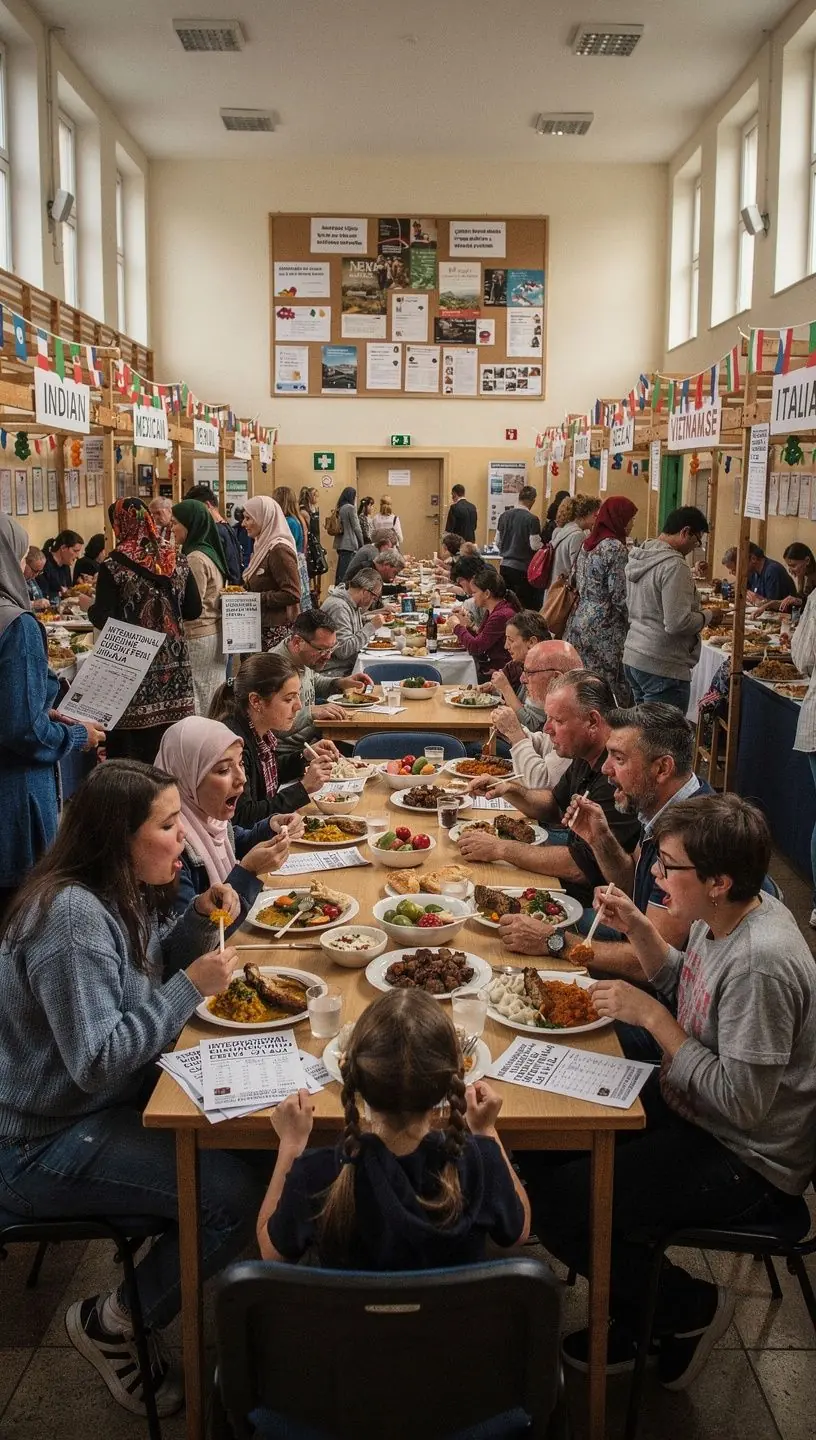
Organizing a cultural event typically involves several key components, including venue selection, program development, and marketing strategies. According to studies, events that incorporate diverse cultural elements can attract larger audiences, fostering inclusivity and engagement.
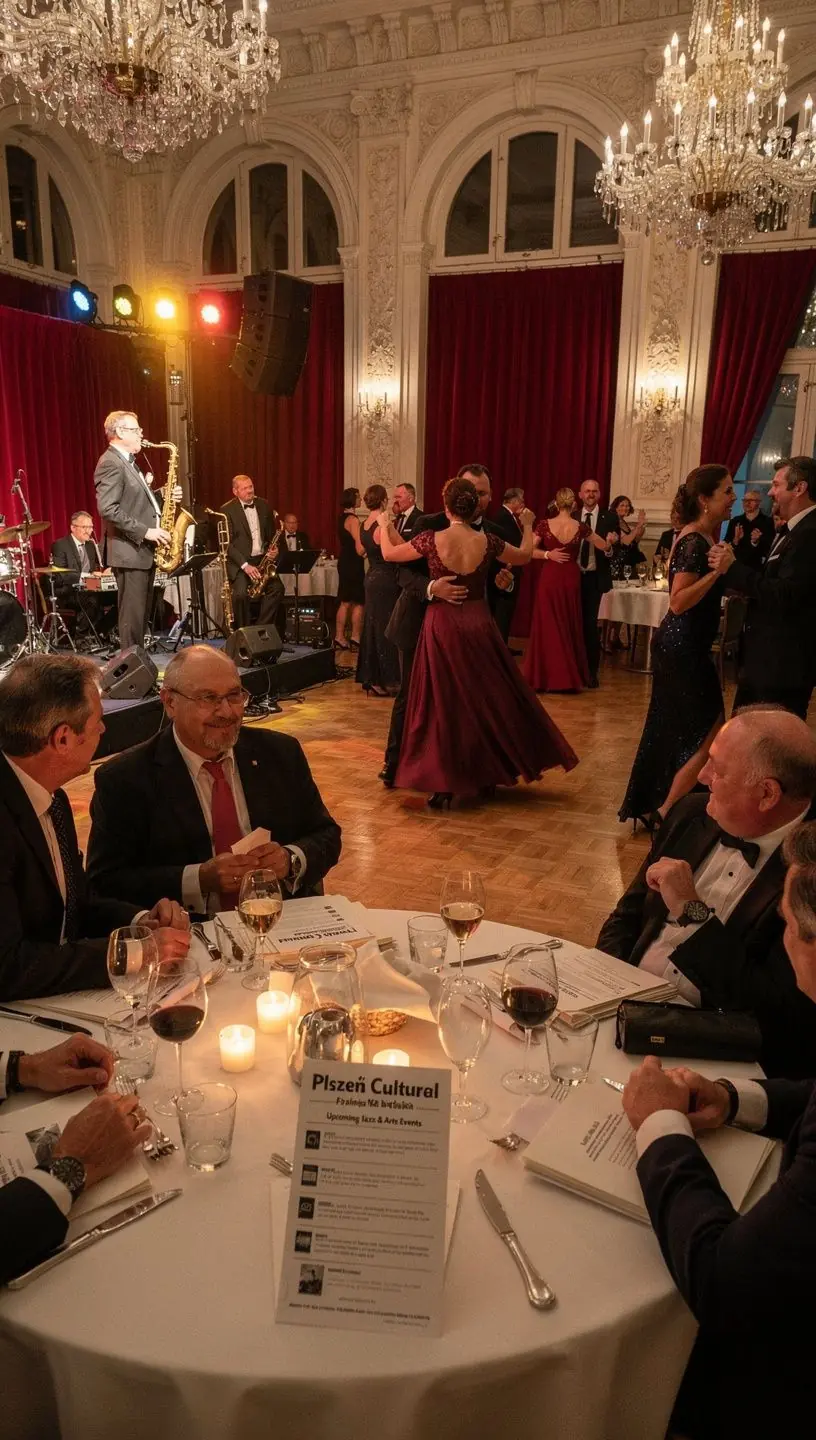
"Successful cultural events often reflect the community’s identity and values, creating a sense of belonging." – Industry Experts
Step-by-Step Process to Organize Your Event
- Define Your Objectives: Clearly articulate the purpose of your event. Whether it’s promoting a cultural heritage, celebrating local artists, or fostering community connections, having defined goals will guide your planning.
- Choose the Right Venue: Selecting an appropriate venue is crucial. It should accommodate the expected number of guests and align with the theme of the event. Experts suggest looking for spaces that offer amenities such as accessibility, parking, and technical support.
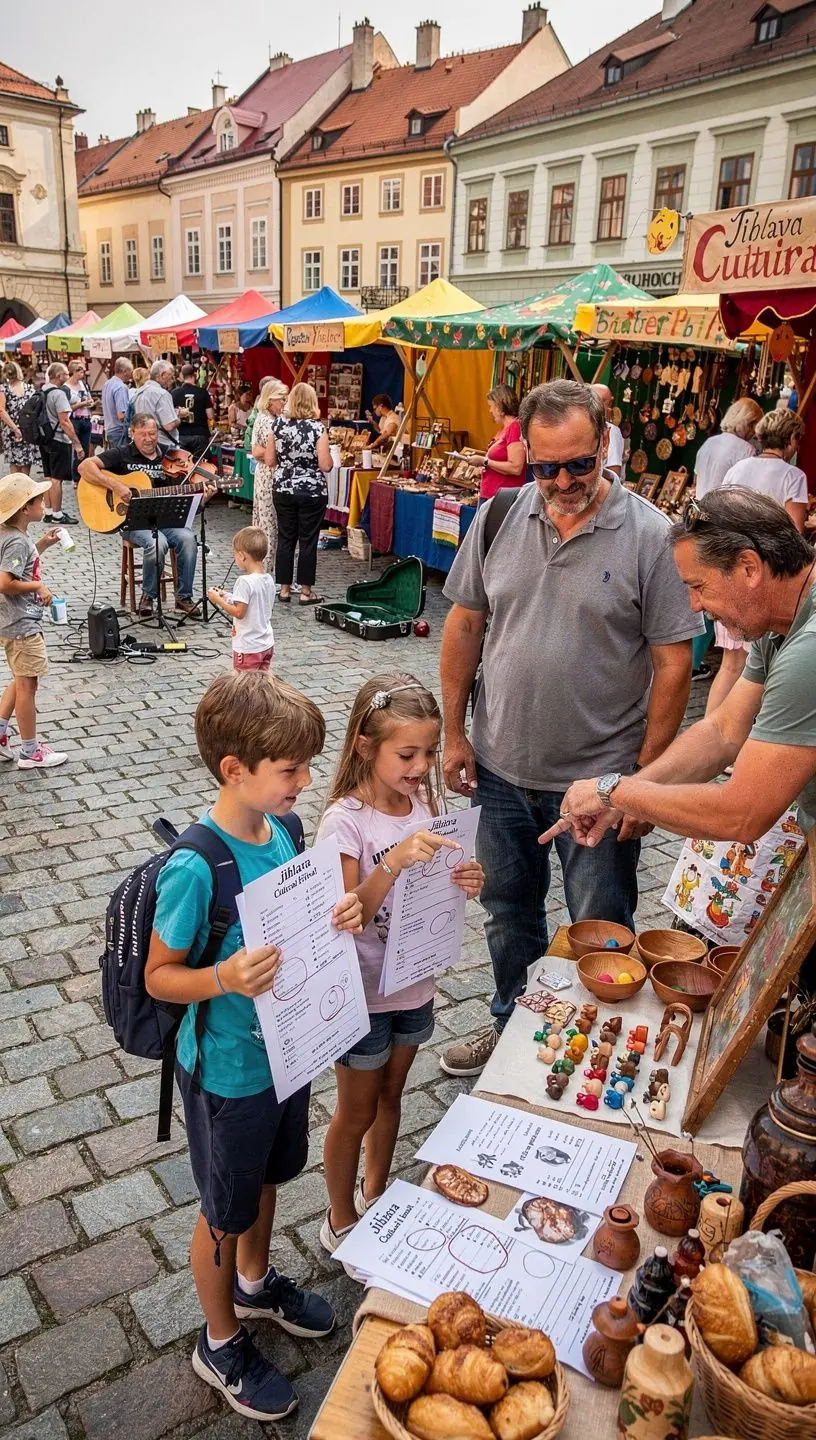
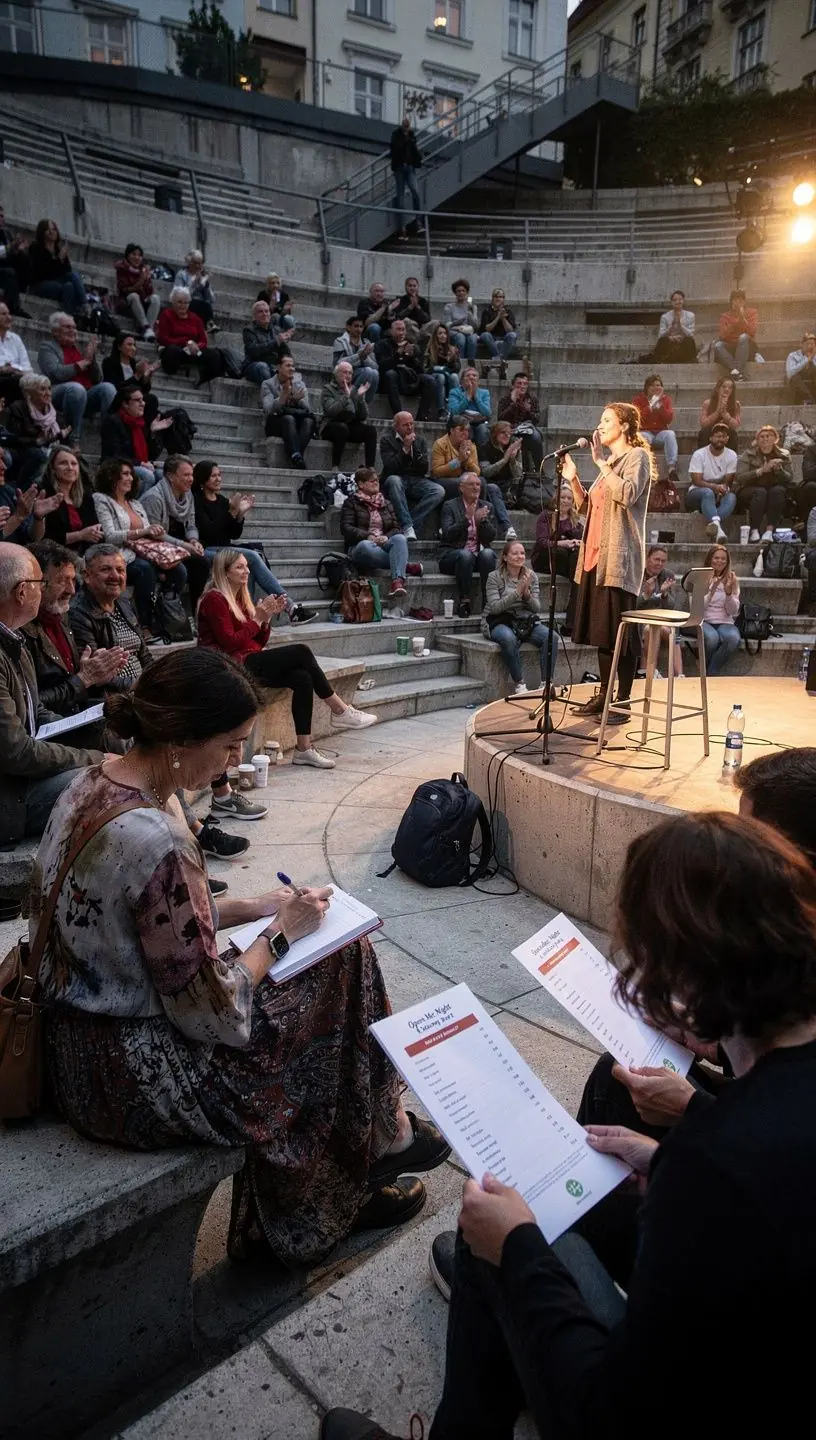
- Develop the Program: Create a schedule that includes a variety of activities, such as music performances, art exhibitions, and workshops. Engaging diverse talent can increase participation. Research shows that events with varied programming typically attract a broader audience.
- Create a Budget: Outline all potential expenses, including venue costs, marketing, and materials. This budget should be realistic and allow for unforeseen circumstances, as studies indicate that budgeting accurately can significantly reduce financial stress post-event.
- Promote Your Event: Utilize both traditional and digital marketing strategies. Many users report that social media platforms and community boards effectively reach target audiences. Engaging visuals and clear messaging are key to effective promotion.
- Gather Feedback: Post-event surveys can provide valuable insights into what worked well and what didn’t. This feedback is essential for improving future events.
Acknowledging Limitations and Challenges
While organizing an event can be rewarding, it also presents challenges. Time commitments are significant; organizing a cultural event typically takes between two to four months. Moreover, some aspects, such as securing permits or engaging performers, can be unpredictable and may require flexibility in your planning.
Conclusion
In summary, organizing a successful cultural event involves a blend of planning, creativity, and community engagement. By following these steps and maintaining realistic expectations, you can create a memorable experience that enriches your community. Remember, the key to a successful event lies in its ability to connect people and celebrate cultural diversity.
Read On