Creating Inclusive Spaces for Community Gatherings
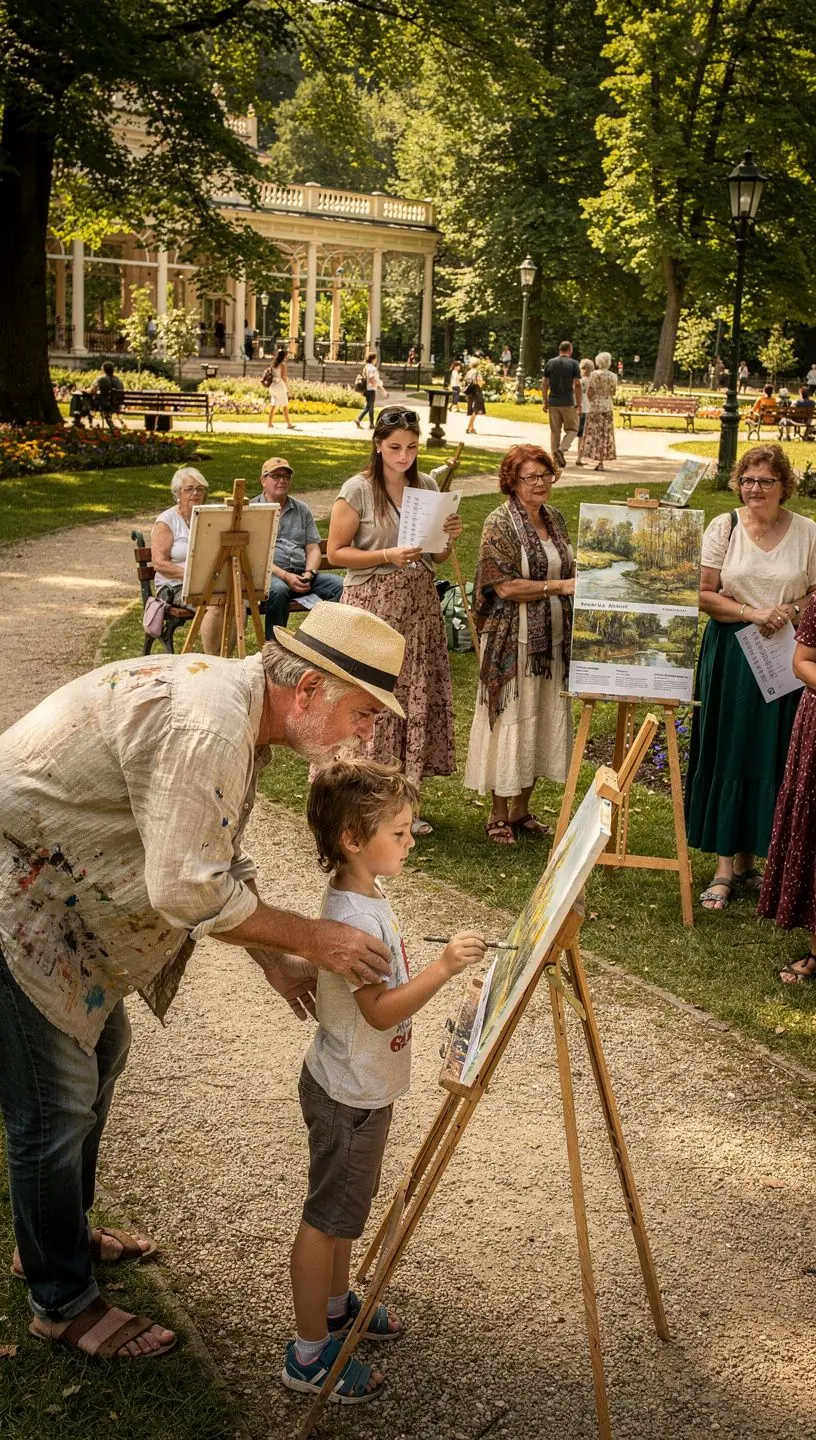
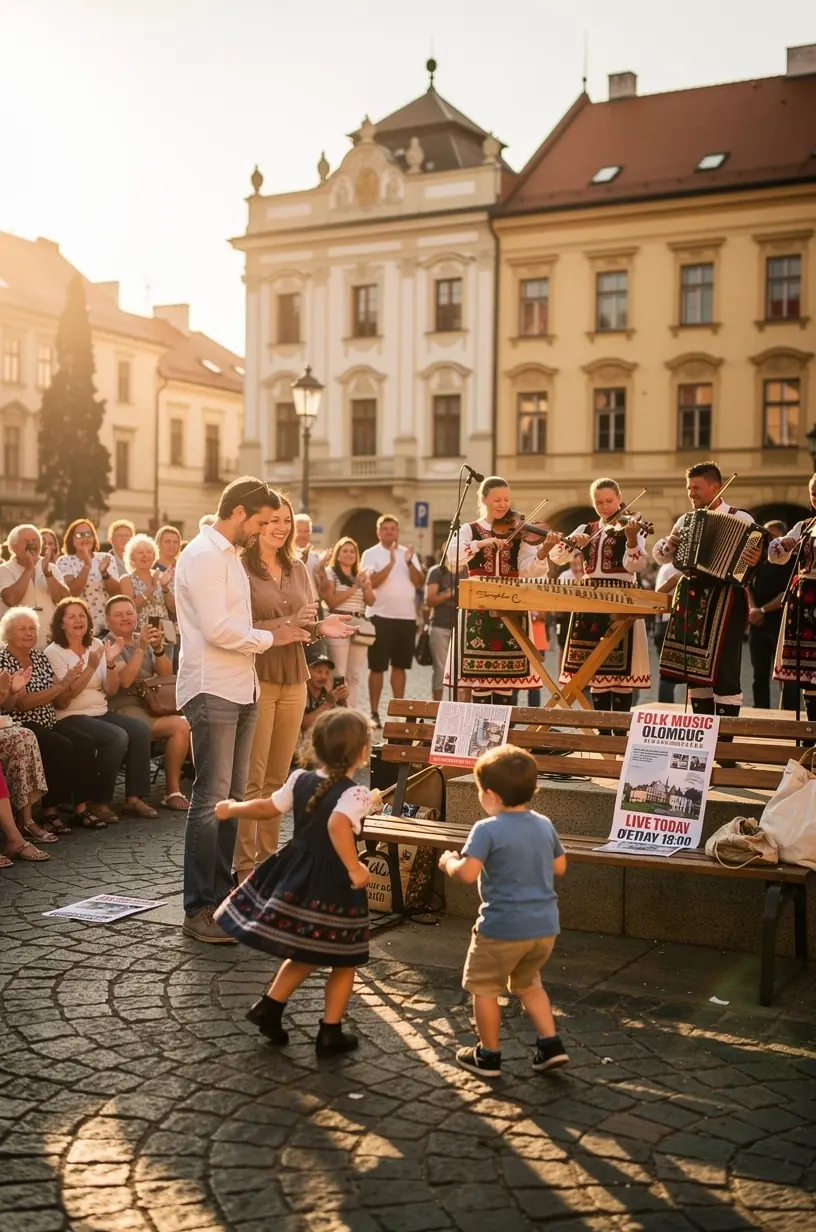
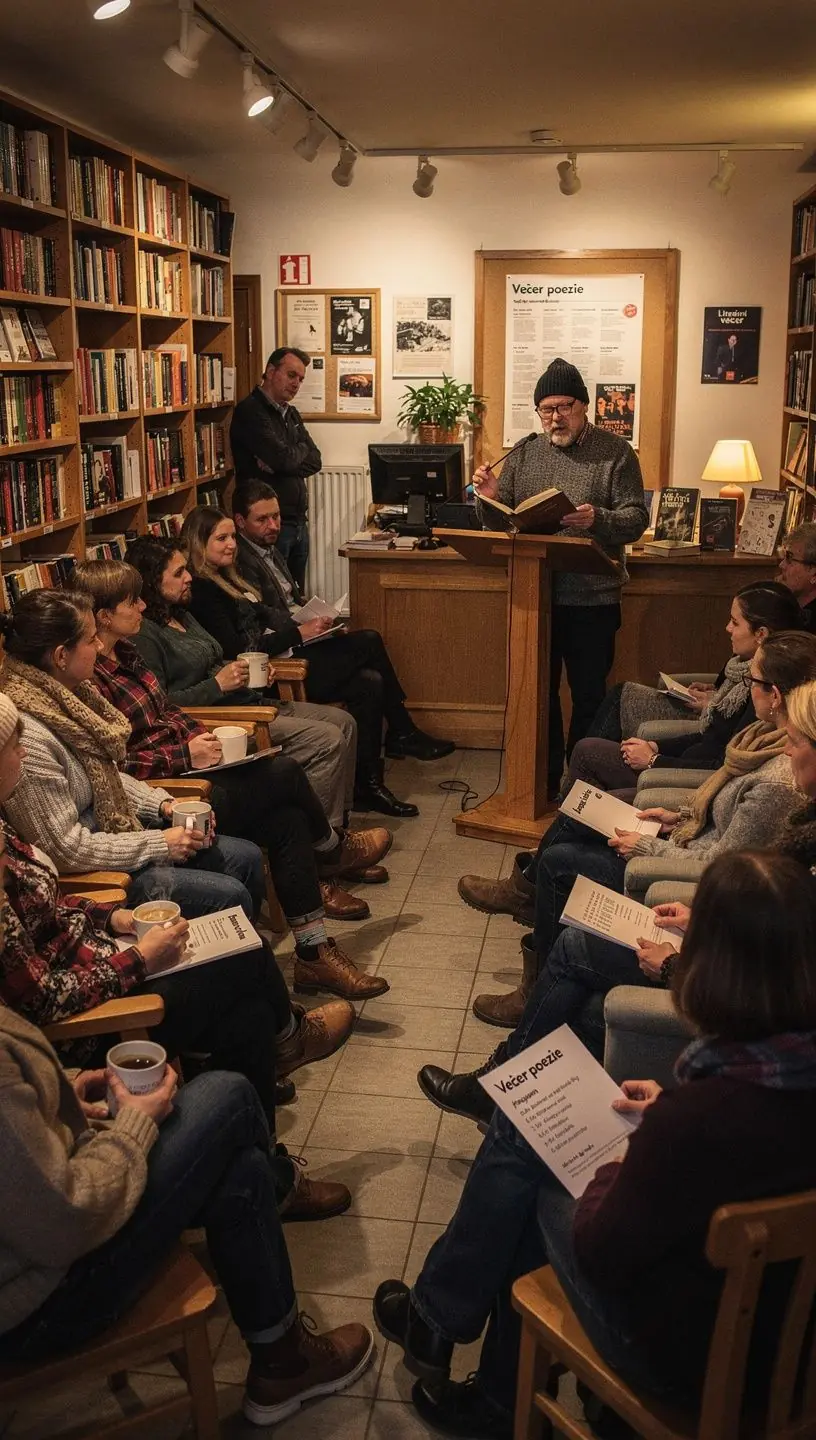
In today's interconnected world, fostering inclusive spaces for community gatherings is more important than ever. This article explores how to cultivate environments that welcome diverse groups, enhancing social interactions and cultural engagement.
Understanding the Importance of Inclusivity
According to research, inclusive spaces can significantly impact community engagement and social cohesion. Studies show that communities with actively inclusive environments tend to report higher levels of participation in cultural events and gatherings. This works because when individuals feel welcomed and valued, they are more likely to engage with their neighbors and contribute positively to community initiatives.
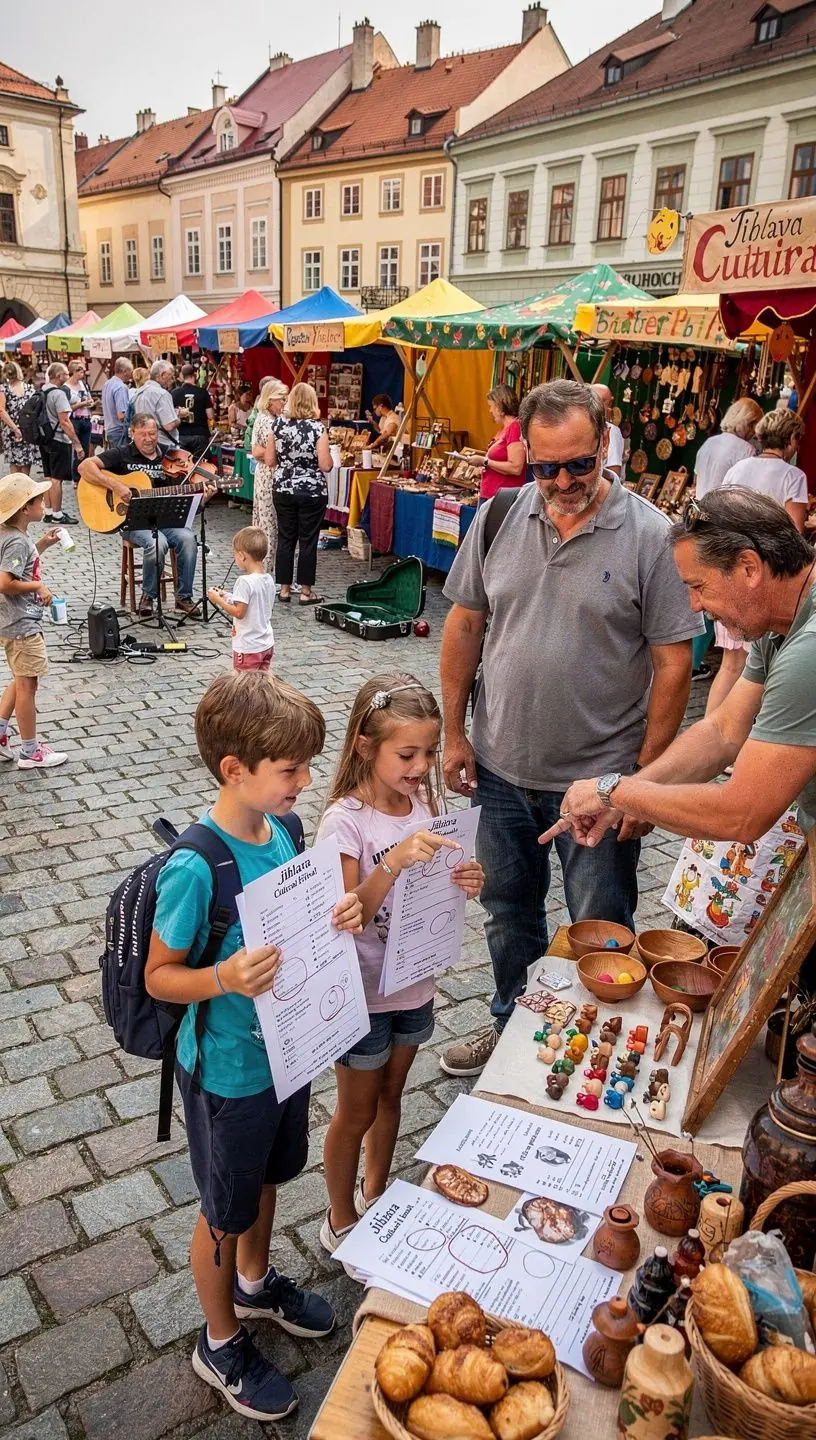
"Building inclusive spaces is not just a trend; it’s a necessity for thriving communities." - Community Development Expert
Key Principles for Creating Inclusive Spaces
- Accessibility: Ensuring physical access for everyone is crucial. This includes wheelchair ramps, accessible restrooms, and clear signage. Many users report that when venues are accessible, they feel more comfortable attending events.
- Diverse Programming: Offering a variety of events that cater to different interests and cultures can attract a broader audience. Research indicates that inclusive programming can increase attendance by 20-30% in similar contexts.
- Community Input: Actively involving community members in the planning process helps ensure that the offerings meet the needs of various groups. Experts recommend using surveys and focus groups to gather feedback and ideas.
Practical Steps to Implement Inclusivity
Implementing these principles involves several steps:
- Conduct an Accessibility Audit: Evaluate your space to identify barriers. This typically takes 2-4 weeks and may require consultation with accessibility experts.
- Diverse Event Planning: Create a calendar of events that reflects the interests of different community segments. Planning should involve ongoing community feedback to keep it relevant.
- Engage Local Organizations: Partnering with local cultural and social organizations can enhance inclusivity. This approach works best when there is a shared goal of fostering community engagement.
Challenges and Limitations
While creating inclusive spaces is a commendable goal, it is essential to acknowledge certain limitations. Achieving true inclusivity requires ongoing effort and commitment. Many initiatives can take time to show results, typically within 3-6 months, as community members need time to build trust and engage. Additionally, not all venues may be suitable for creating inclusive spaces, particularly if they are inherently restrictive in design.
Conclusion
Creating inclusive spaces for community gatherings is a vital endeavor that can enhance social interaction and cultural engagement. By focusing on accessibility, diverse programming, and community involvement, it is possible to build environments that welcome everyone. Remember, fostering inclusivity is an ongoing journey that requires dedication and effort, but the positive impact on community cohesion can be profound.
Read On