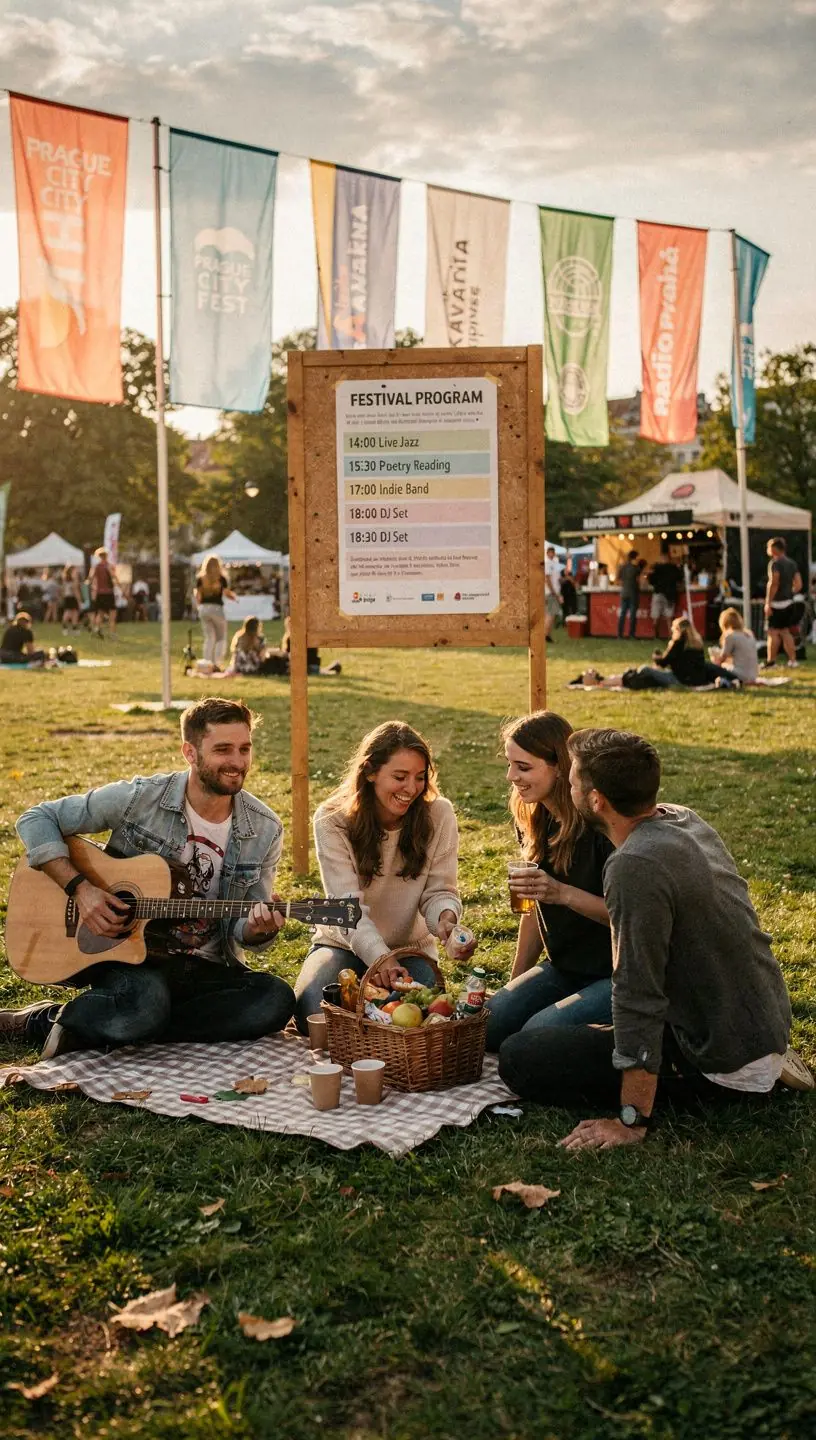
Understanding the Logistics of Hosting Music Evenings
Hosting music evenings can be an exciting endeavor that fosters community engagement and cultural appreciation. However, the logistics behind organizing these events can be complex. This article aims to provide insights into the essential components of planning successful music evenings, focusing on practical steps and expert recommendations.
Understanding the Basics
Music evenings typically involve a variety of logistical considerations, including venue selection, sound equipment, and talent booking. According to industry experts, effective planning often starts with a clear understanding of your target audience and their preferences.

Additionally, research indicates that incorporating diverse music genres can attract a wider audience, thereby enhancing the event's overall appeal. This approach works because it caters to varying tastes and encourages participation from different community segments.
"Successful music events often reflect the cultural diversity of the audience they aim to serve."
Essential Logistics for Music Evenings
When organizing a music evening, consider the following essential logistics:
- Venue Selection: Choose a location that is accessible and has the necessary facilities. It’s crucial to ensure the venue can accommodate the expected crowd size comfortably.
- Sound Equipment: Research shows that high-quality sound equipment can significantly enhance the audience's experience. It's advisable to hire professionals for setup and management to avoid common technical issues.
- Talent Booking: Booking artists early can often secure better rates. Many event planners recommend establishing a budget for talent, which typically includes payment, travel, and accommodation costs if necessary.
Creating an Engaging Atmosphere
Creating a memorable atmosphere is vital for attracting attendees. Experts recommend integrating elements such as:
- Aesthetic Decor: Visual elements can enhance the mood of the event. Consider themes that resonate with the musical genre being featured.
- Interactive Experiences: Many users report that adding interactive activities, such as audience song requests, can improve engagement and satisfaction.
- Food and Beverage Options: Providing refreshments can encourage more social interaction, making the event feel more inviting.
Acknowledging Potential Challenges
While organizing music evenings can be rewarding, it comes with challenges that require careful consideration and planning:
- Time Commitment: Planning a successful event typically takes 2-4 weeks, depending on the scale. It involves meticulous coordination of multiple elements.
- Budget Constraints: Establishing a realistic budget early on is crucial. Many planners find that unforeseen expenses can arise, so it’s prudent to set aside a contingency fund.
- Weather Factors: For outdoor events, be prepared for potential weather disruptions. Having a backup plan, such as an indoor venue option, is essential for minimizing disruption.
Conclusion
In conclusion, hosting music evenings requires a blend of careful planning, creativity, and adaptability. By focusing on logistics such as venue selection, sound quality, and engaging atmosphere, event organizers can create enjoyable experiences that resonate with their audience. Remember, while challenges exist, being informed and prepared can significantly enhance the chances of a successful music evening.
Read On