Identifying Key Elements of Effective Event Promotion
Promoting events effectively requires a thoughtful strategy that encompasses various elements. Understanding how to harness these elements can significantly impact attendance and engagement, particularly in vibrant cultural hubs such as those found in the Czech Republic.
Understanding the Basics of Event Promotion
At its core, event promotion involves creating awareness and interest in a particular gathering or activity. According to industry experts, a successful promotional strategy typically includes components such as target audience identification, compelling messaging, and the utilization of multiple channels to reach potential attendees. This multifaceted approach often leads to higher participation rates and better audience engagement.
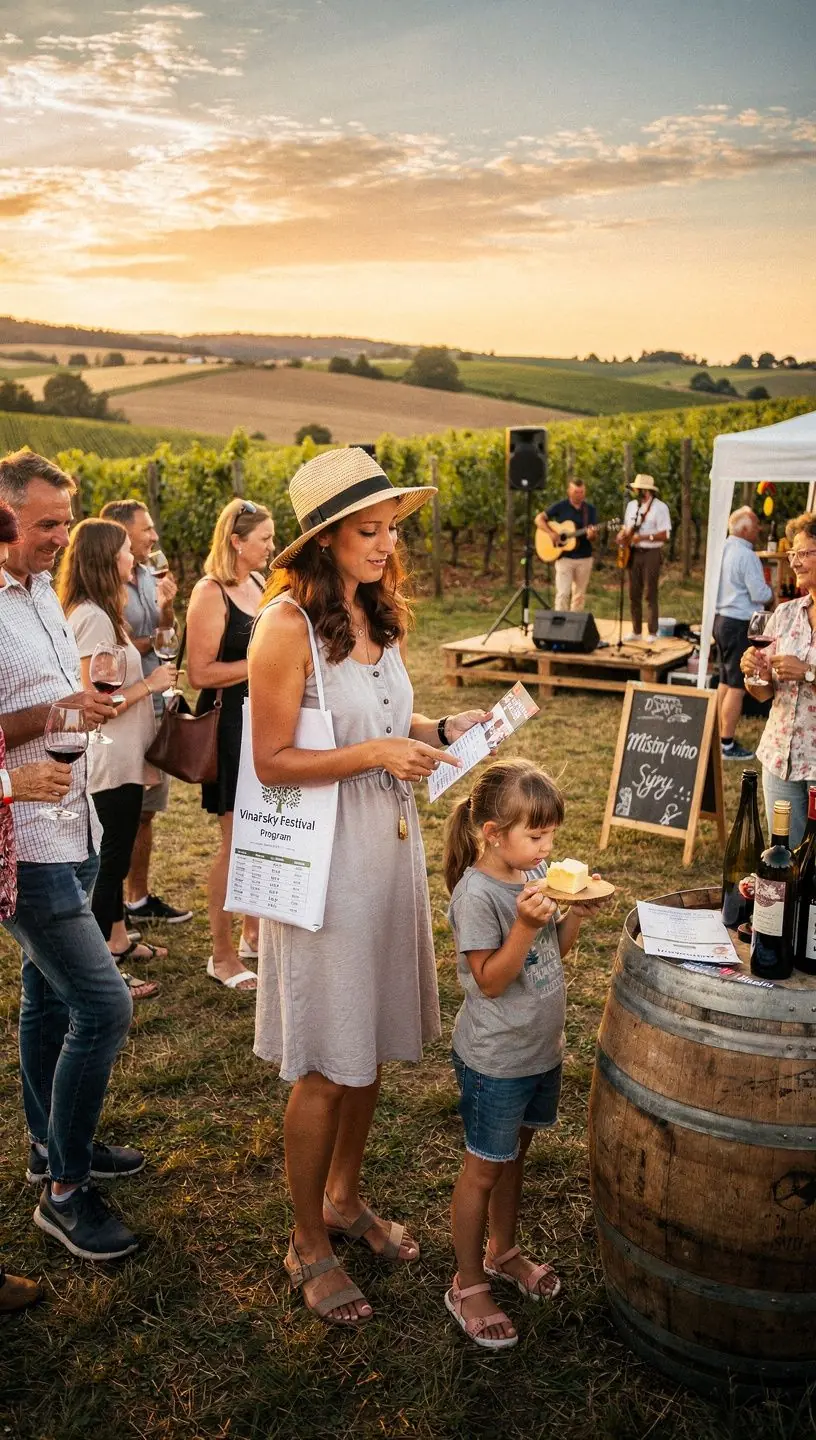
"Research indicates that events with a clear promotional strategy can see attendance increases of 20-30% compared to those without."
Key Elements of Effective Event Promotion
To ensure a successful event, consider the following key elements:
- Target Audience Analysis: Understanding who your potential attendees are is crucial. This can involve demographic studies and surveys. Many users report that tailoring your messaging to specific groups often results in higher engagement.
- Multi-Channel Marketing: Utilizing various platforms—such as social media, email newsletters, and local community boards—can help spread the word effectively. Studies show that a diverse marketing approach typically increases visibility and reach.
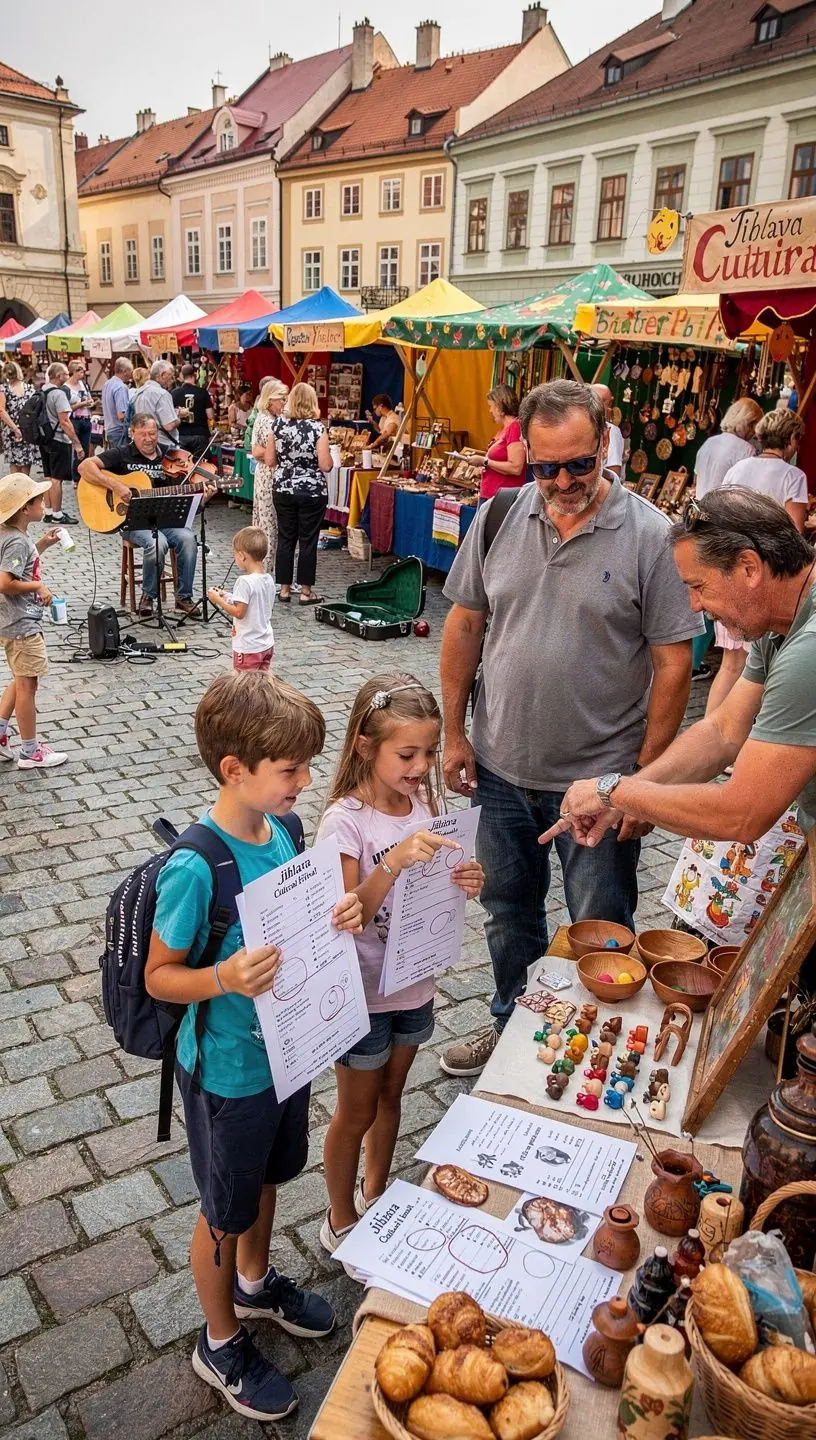
- Compelling Visuals and Messaging: Creating attractive graphics and engaging content can significantly enhance interest. Experts recommend using visuals that resonate with your target audience to capture their attention and convey your event's unique value proposition.
Practical Application and Methodology
Implementing these elements effectively involves a step-by-step approach:
- Define Your Objectives: Before launching any promotional effort, clearly outline what you hope to achieve. Setting measurable goals will help guide your strategy.
- Develop a Timeline: Planning your promotional activities well in advance is essential. Typically, a promotion campaign requires at least 4-6 weeks to build momentum and reach your target audience.
- Monitor and Adjust: Once your campaign is underway, it's important to track its performance. Tools like Google Analytics can provide insights into what’s working and what may need adjustment.
Challenges and Limitations
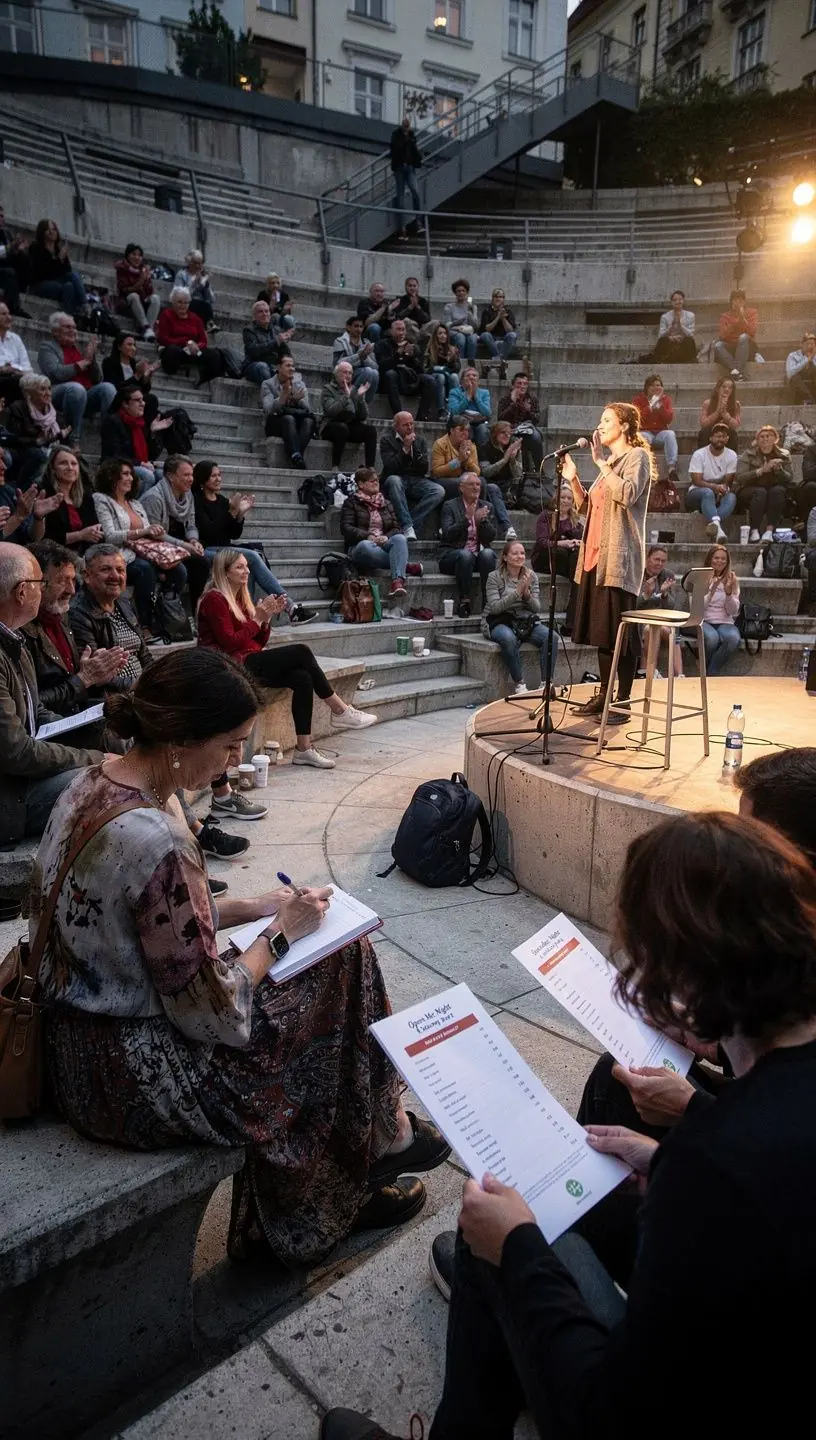
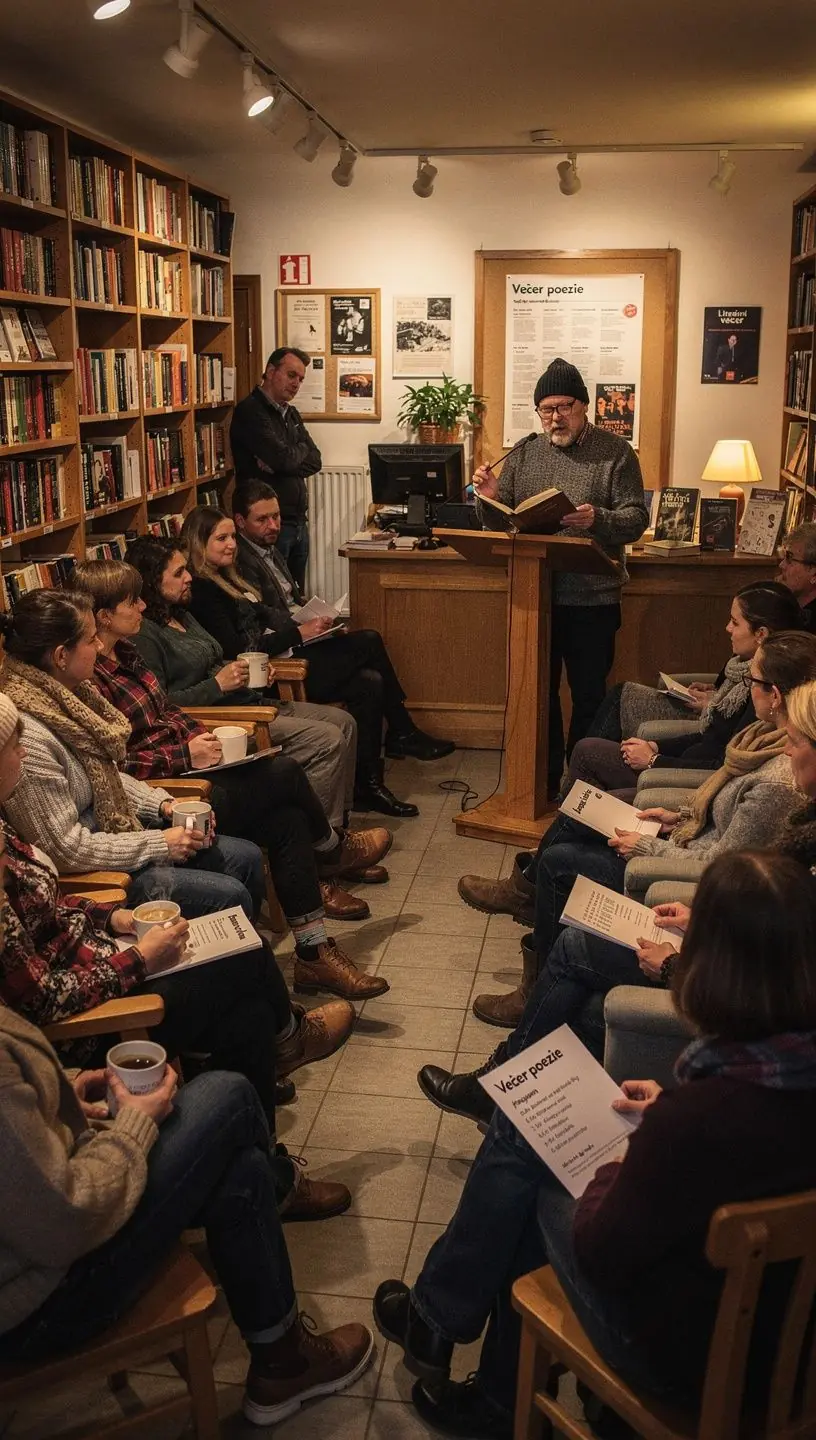
While these strategies can be effective, it’s important to acknowledge potential limitations. Many promotional campaigns require consistent effort and a commitment of resources, including time and budget. Additionally, what works best may vary depending on the type of event and the demographic of the audience. For instance, a music evening may attract a different crowd than a cultural gathering, so adaptability is key.
Conclusion
In summary, effective event promotion hinges on a clear understanding of your audience, a well-planned multi-channel strategy, and ongoing engagement efforts. By setting realistic expectations and being prepared to adapt your approach, you can enhance your event's visibility and success. Remember, while effective promotional strategies can significantly boost attendance, they require time, commitment, and a willingness to evolve based on audience feedback and behavior.